

The piece of legislation was the now well-known S3898, which was originally introduced in the New York State Legislature last January by Sen. John Bonacic. During the 2017 portion of the legislative session, the bill passed the Senate and was referred to the Assembly, where it died. This means that the piece will now have to receive an approval from the Senate before being sent to the lower chamber of the state Legislature for a vote.
The bill gained quite some momentum last year, so it is believed that a successful passage in the Senate would not be such a difficult task to accomplish. In other words, it seems that the success of S38989 and the future of regulated online poker in the state is highly dependent on the Assembly.
The lower chamber of the New York Legislature presented its own online poker bill last year. However, it did not progress as much as its Senate counterpart. Assemblyman Gary Pretlow, Chairman of the Assembly’s Racing, Gaming, and Wagering Committee, led the Assembly’s poker push last year. In fact, the lawmaker told media late in 2018 that he planned to renew his online poker legalization effort in February 2018.
Following its positive vote earlier this week, the Senate’s online poker bill was reported to the Finance Committee, which it will have to pass in order to be referred to the full Senate floor for a vote.
”Bad Actor” and Other Key Provisions
If online poker is legalized, interested operators will be able to apply for licenses and provide Texas Hold’em and Omaha Hold’em games to New York players. There will be a total of eleven licenses for online poker operators to be issued by regulators.
Each and every successful license applicant will have to pay a one-off licensing fee of $10 million. The money will go to the state coffers. Online poker proponents in the Legislature also believe that the legalization and regulation of online poker will generate significant additional tax revenue. Under S3898A, licenses operators will be taxed at 15% on their revenue.
Last year, the Senate sneaked a “bad actor” provision to its bill in hopes to help it navigate through the Assembly successfully. The provision bans operators that had continued operating in the US in the post-UIGEA era from applying for licenses in New York. In other words, PokerStars would not be welcome in the state, if the bill gains the necessary support in the Legislature.
The Stars Group, parent company of the popular poker brand, has been a staunch supporter of New York’s legalization effort. However, the “bad actor” provision may thus cost the state a mighty player in the online poker field.
The post New York Online Poker Bill Springs to Life, Passes First Committee Vote appeared first on Casino News Daily.

 The official six-handed final table of this year’s WPT Lucky Hearts Poker Open Championship was set last night, and it will be Russian player Aleksandr Shevelev who will lead the pack of six into today’s final day of action.
  Aside from Shevelev, the official final table also includes former WPT Main Tour Main Event champion Andy Frankenberger, who will enter the final day of play as the short stack with 2.17 million, Alan Krockey (2.81 million), Brett Bader (3.16 million), Darryll Fish (5.92 million), and Ness Reilly (6.295 million).
 The Netherlands Authority for the Financial Markets (AFM) is calling for restrictive measures on bitcoin and altcoins investment and betting on the price of bitcoin at a time when banking firms warn that a bitcoin bubble could dwarf the 1600s Dutch tulip mania.
  Following requests and inquiries, the Dutch Gambling Authority clarified its own involvement in cryptocurrency investment regulation last week. In a statement, the regulatory body pointed out that it had no role in the regulation of the activity. Kansspelautoriteit further explained that under the country’s current gambling regulations, investment in bitcoin and other virtual currencies does not represent gambling.
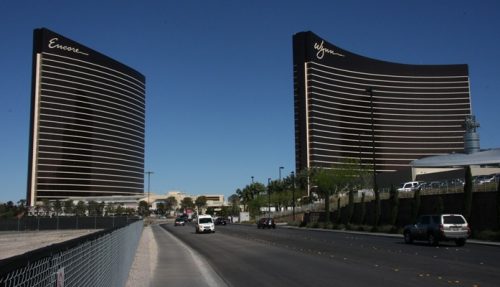
 The Massachusetts Gaming Commission has agreed to collaborate with Las Vegas casino giants MGM Resorts International and Wynn Resorts on devising responsible gambling systems for patrons at the two companies’ casinos in the state.
  As mentioned above, Massachusetts’ gambling regulator together with the operators of the state’s commercial casinos will develop systems that will make it possible for casino frequenters to determine how much they want to spend at the venues.


